


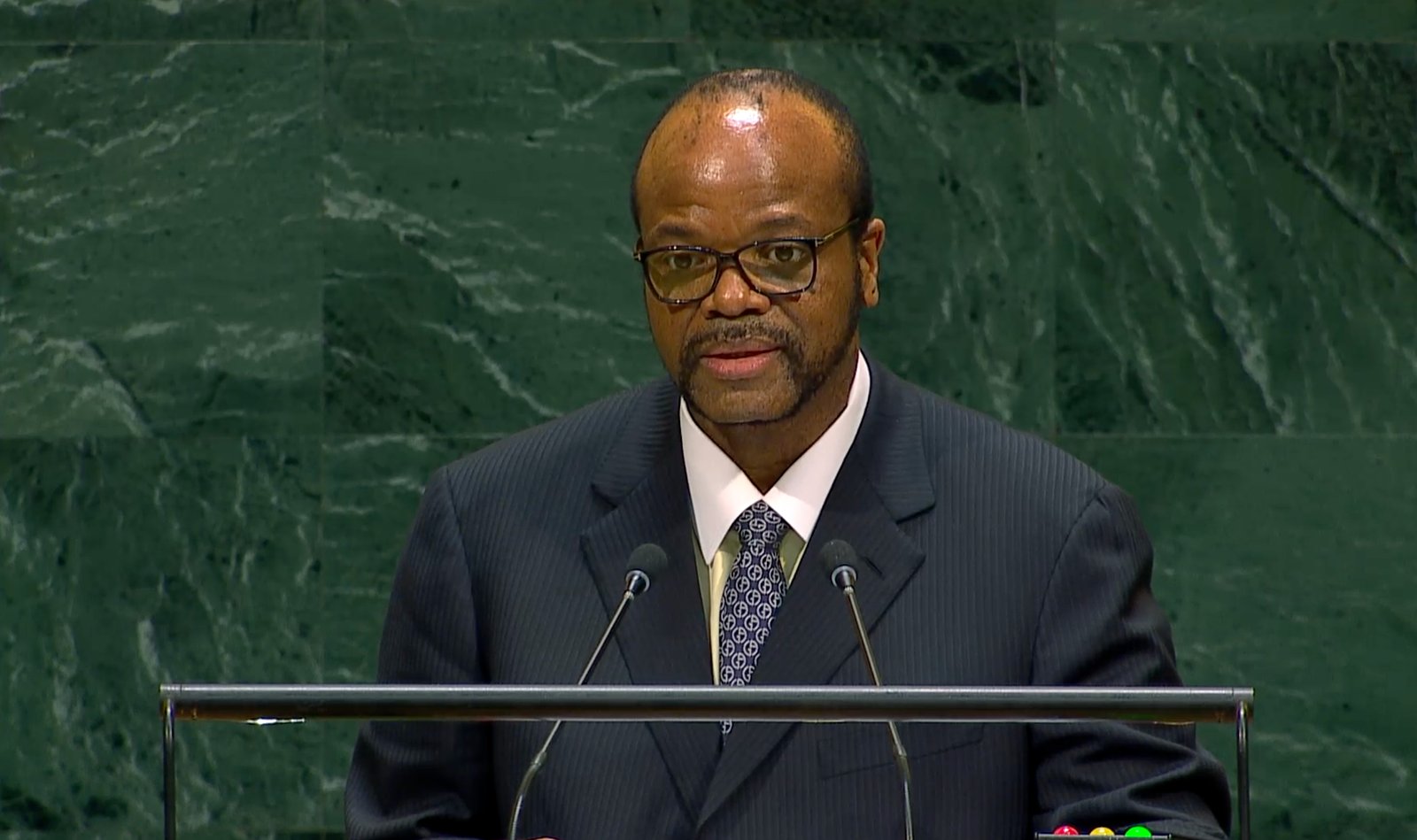
King Mswati III of Eswatini called upon the international community to renew its commitment to global cooperation. To ordinary people, the UN should not be seen as a place to discuss the world’s problems, but rather an organization that solves them.
“Restoring trust cannot be achieved through declarations alone,” he said. It means honouring promises and ensuring that global institutions demonstrate both the capacity and the will to respond to changing global realities.
Africa is a global strategic partner, yet despite the 2005 adoption of the Ezulwini Consensus, the continent still has no permanent seat on the Security Council, he said.
“How many more years should African leaders travel to New York and stand before this Assembly and call for fair representation in the Security Council?” he asked, emphasizing that Africans are being deprived of the opportunity to contribute to global security issues.
Ongoing instability in Africa requires stronger African-led peace processes, he said, adding that the capacity for African organizations to prevent conflict and build sustainable peace must be supported.
All countries must respect their peace agreements, while the international community must speak with one voice to halt an erosion of constitutional order and the rule of law. “The United Nations should fully support decisions taken by regional bodies to condemn such acts, which cause immense suffering and uncertainty for millions of people,” he said.
He threw a spotlight on Eswatini’s efforts towards climate resilience and food security, including through greater investment in agriculture and empowering smallholder farmers.
But he warned of the potential impact of “what has been predicted as one of the most severe El Niño weather patterns on record”, saying “this requires us to draw deeply upon strained national resources to protect Eswatini’s people and preserve their livelihoods”.